observation | 2020-present
How to Look Better
In 2019, during my doctoral studies, I began to work on a class I would teach the following fall in the University of Washington iSchool Informatics program. The title would be “Observation and Communication for Design: How to Look Better.” The vision I had was for a strange studio class that would get students comfortable with the uncomfortable aspects of observation and develop their practice in sharing what they noticed, skills that I felt would help them “look better” as they headed out into their careers.
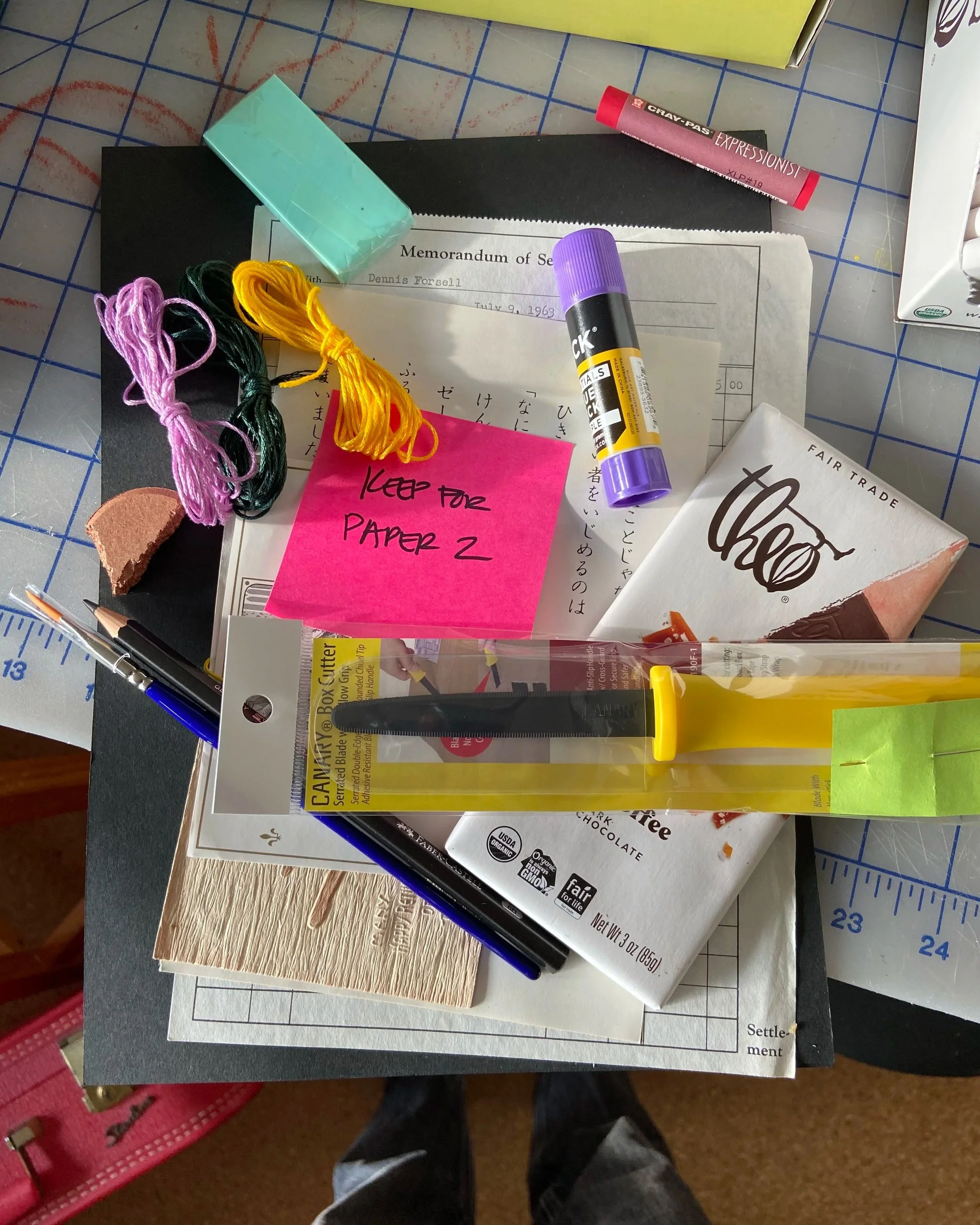
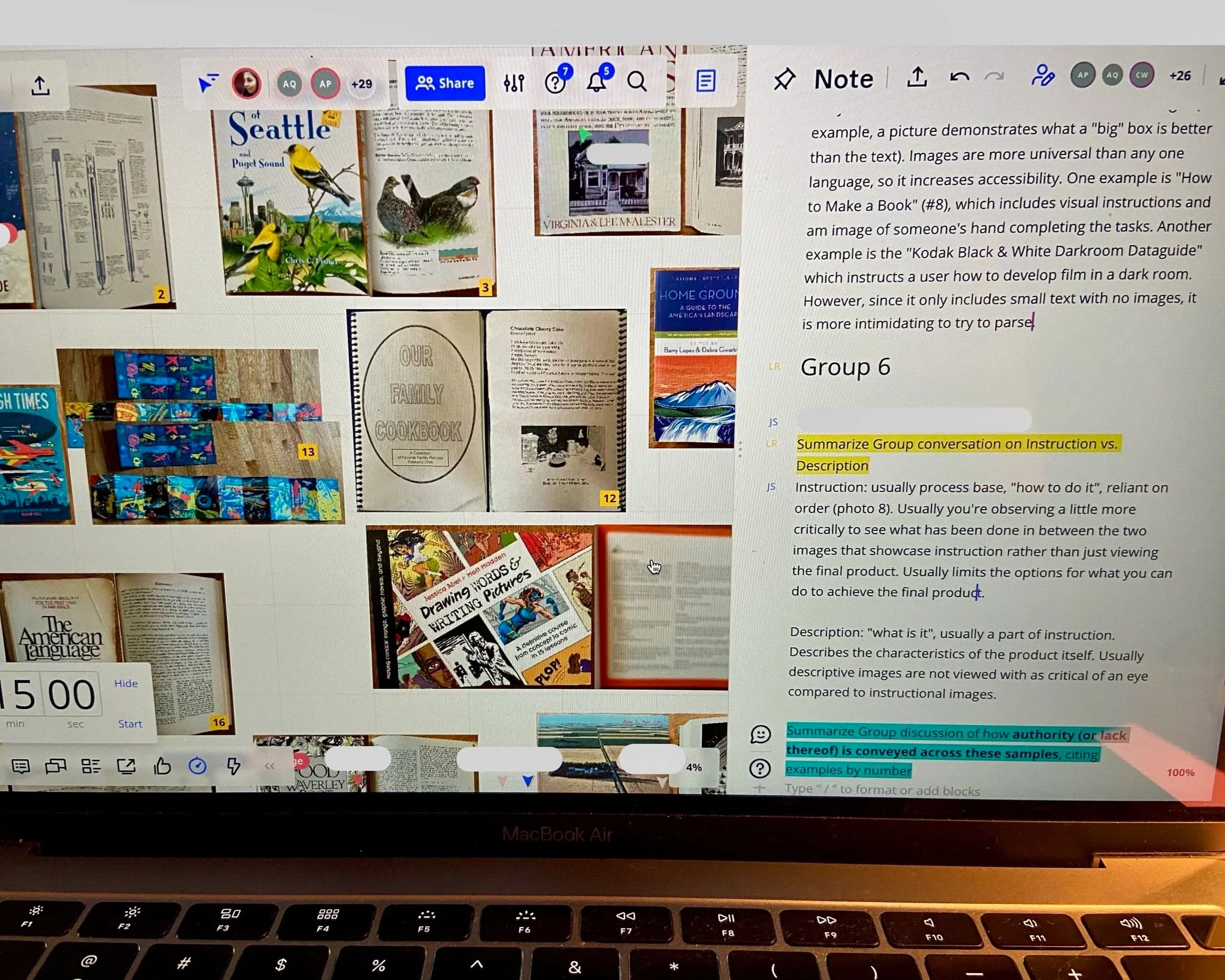
Fall 2020 was, of course, a strange time to teach such a course. All of us were online, but we met synchronously for a couple of hours twice a week. My international students would join us from the other side of the planet, and though we couldn’t sit side by side with art supplies, the department had generously helped me send each student a kit of materials to explore through the quarter.
My brilliant TA, Ploy Pruekcharoen, created a set of templates for all of our course materials (slides, handouts, etc.), so that our class would have an aesthetic sense of continuity and place despite our interactions taking place in Canvas and Zoom. We did our best to work with the constraints.
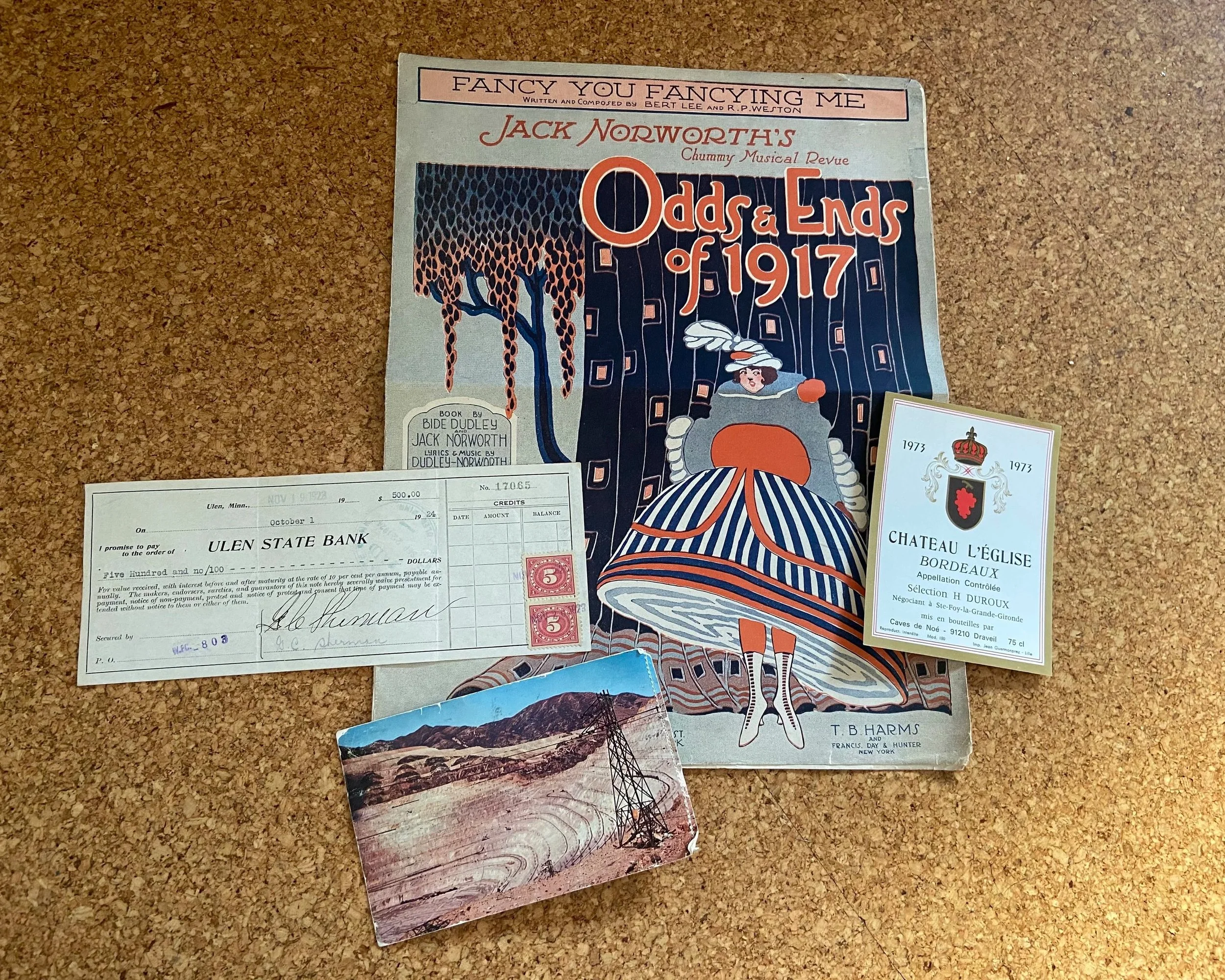
Over ten weeks, my students had strange conversations and did tedious and illuminating assignments that helped them focus their attention and their words. It was imperfect, as every first go at teaching a new class is, but the students showed up beautifully, even when they were confused about what all of our description of old ephemera had to do with design.
In the years since, the How to Look Better ethos has evolved into a set of questions for myself and others. I want to Look Better, and to do so I want to emulate the way that other people I admire do their looking.
In the next phase of HtLB, I will embark on a series of conversations with people who observe well in myriad ways. I will ask what they pay attention to and how; what they feel is most essential to record or broadcast about what they have noticed; and what they do with those observations. From observations we yield creative constraints, and I am curious to find what generative methods will be inspired by learning from others how to attune our senses after their fashion.